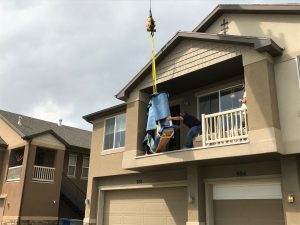

Before scheduling a piano move, it helps to gather accurate information about the piano and the route it will need to travel. Doorways, hallways, stairs, landings, tight turns, elevators, and parking access can all affect how a professional moving team prepares for the job.
You do not need to determine the moving method yourself. The goal is simply to give your movers useful measurements, photos, and access information so they can evaluate the move before arriving. Thresher Piano Movers provides professional piano moving services throughout Utah and reviews access conditions as part of the planning process.
Why Measurements Matter Before a Piano Move
Pianos are large, heavy instruments, but the available space around them can be just as important as the piano itself. A move may involve narrow doors, stair landings, hallway turns, railings, low clearances, or other obstacles that need to be considered in advance.
Providing measurements and clear photos can help the moving team identify potential access challenges and determine what information may still be needed before moving day.
What Should You Measure on the Piano?
Start by identifying what type of piano you have. Common types include upright, studio, baby grand, and grand pianos.
If the moving team asks for measurements, provide the exterior dimensions of the piano as accurately as possible. Depending on the piano, useful measurements may include:
- Overall height
- Overall width
- Overall depth
- Length of a grand or baby grand piano when applicable
Do not remove piano legs, pedals, lids, or other components simply to take measurements. If any disassembly is necessary, let the moving team determine what should be removed and how it should be protected.
How to Measure Doorways for a Piano Move
Measure any doorway the piano will need to pass through, especially entrances or interior doors that appear narrow.
Measure the clear opening rather than the size of the door itself. Pay attention to anything that reduces usable space, including:
- Door frames
- Handles or hardware
- Storm doors
- Trim
- Nearby walls
- Furniture or fixtures near the opening
If a doorway looks especially tight, take a photo showing the entire opening and the space immediately before and after it.
Measure Narrow Hallways and Tight Turns
A doorway may have enough clearance while the hallway beyond it creates the real challenge. Measure narrow hallways and note any corners the piano must navigate.
Useful information includes:
- Hallway width
- Distance from a doorway to the next wall
- Sharp corners or turns
- Railings, cabinets, or fixtures that reduce clearance
- Changes in floor level
Take photos from several angles when a turn looks difficult to explain. A wide photo can often show the relationship between the doorway, hallway, and surrounding walls better than a close-up.
What to Measure on Stairs
Stairs require additional planning because the piano’s weight must remain controlled while moving through changes in elevation.
When requesting an estimate, let the moving team know how many stairs are involved and whether they are straight, curved, narrow, or interrupted by landings.
Useful stair information can include:
- Number of steps
- Width of the staircase
- Width and depth of landings
- Tight turns at the top or bottom
- Railings that reduce available space
- Low ceilings or overhead obstructions
- Exterior steps leading to the entrance
For more information about moves involving stairs and difficult access, visit Thresher’s piano moving FAQ.
Do Not Forget the Pickup and Delivery Locations
Measurements are needed for more than the property where the piano currently sits. The delivery location can create a completely different set of access conditions.
Review the full route at both locations, including:
- Doors and entrances
- Hallways
- Stairs and landings
- Elevators
- Parking areas
- Walkways
- Gates
- Final piano placement
Tell the mover exactly where you want the piano placed at the destination. That helps the team evaluate the complete move rather than only the transportation between addresses.
What Photos Should You Send to Your Piano Movers?
Photos are especially useful when measurements alone do not explain the access route. You do not need professional photography. Clear phone photos are usually enough to show the conditions the moving team needs to review.
Consider sending photos of:
- The piano from the front and side
- The room where the piano is located
- Doorways along the route
- Hallways and tight corners
- Stairs and landings
- The main entrance
- Exterior steps
- The path between the building and parking area
- The final placement area at the delivery location
If you are unsure whether something matters, include it. It is easier for the moving team to disregard an unnecessary photo than to discover an unexpected access problem on moving day.
Check Parking and Loading Access
The route does not end at the front door. The distance between the building and the moving vehicle may also affect the move.
Tell the team about:
- Limited street parking
- Loading zones
- Parking garages
- Long sidewalks or walkways
- Gates
- Apartment or condominium loading areas
- Elevator reservations
- Construction or other temporary access restrictions
If the moving vehicle cannot park near the entrance, mention that when requesting your estimate.
What You Should Not Do Before the Piano Move
Collecting information is helpful, but homeowners should not attempt to make a difficult piano move easier by disassembling or repositioning the instrument on their own.
Unless the moving team specifically tells you otherwise:
- Do not remove grand piano legs or pedals
- Do not attempt to carry the piano toward the entrance
- Do not place the piano on an improvised dolly
- Do not remove structural railings or property features solely for the move
Instead, describe the obstacle and send photos. The movers can determine what preparation is appropriate.
Piano Moving Measurement Checklist
Before requesting your quote, gather as much of the following information as you reasonably can:
- Piano type
- Basic exterior piano dimensions when requested
- Pickup and delivery locations
- Number of stairs at both locations
- Staircase and landing dimensions where access is tight
- Narrow doorway measurements
- Narrow hallway measurements
- Information about tight turns or corners
- Elevator availability when applicable
- Parking and loading conditions
- Final placement location
- Photos of the piano and complete access route
This information can help the moving team understand the property and identify questions that should be answered before moving day.
Frequently Asked Questions About Measuring for a Piano Move
Do I need exact piano measurements before requesting a quote?
Not always. Start by providing the piano type, locations, stairs, and access information. The moving team can tell you whether additional measurements are needed for your specific move.
Should I measure every doorway in the house?
Focus on the route the piano will actually travel. Measure doors, hallways, stairs, landings, and turns that appear narrow or difficult. Photos of the complete route can also help the team identify areas that need closer review.
What if I am not sure whether the piano will fit?
Do not try to force or reposition the piano yourself. Send measurements and photos to the professional moving team so they can evaluate the piano and available clearance.
Should I disassemble a grand piano before the movers arrive?
No. Do not remove the legs, pedals, lid, or other components unless the moving team specifically instructs you to do so. The movers can determine what disassembly is necessary and handle it as part of the moving process.
Do I need measurements from the delivery location too?
Yes, especially if the destination includes stairs, narrow entrances, elevators, tight hallways, or other access challenges. The moving team needs to understand the complete route at both locations.
Request a Piano Moving Estimate in Utah
Thresher Piano Movers provides professional piano moving for upright, studio, baby grand, grand, church, school, and performance pianos throughout Utah and the Wasatch Front.
When requesting an estimate, provide the piano type, pickup and delivery locations, stairs, access conditions, parking information, and photos when possible.
Contact Thresher Piano Movers to request a free estimate or call or text 801-310-3461.