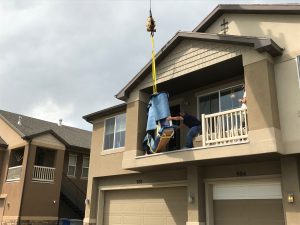

Moving a safe is not like moving ordinary household furniture. Safes are dense, heavy, and difficult to control, and their concentrated weight can create challenges for flooring, stairs, walls, doorways, and the people handling the move.
Preparing the safe and the property before moving day can make the process easier to evaluate and plan. Thresher Piano, Safe & Vault Movers provides professional safe moving services in Utah for residential and commercial customers throughout Utah County, Salt Lake County, Davis County, Weber County, and surrounding Wasatch Front communities.
How Should You Prepare a Safe for Professional Moving?
Start by gathering accurate information about the safe, removing valuable or restricted contents, clearing the access route, and documenting stairs, flooring, doorways, parking, and final placement. Photos and manufacturer information can help the moving team evaluate the project before arriving.
You do not need to determine the moving method or equipment yourself. The goal is to give the movers enough information to understand the safe and the property conditions.
1. Identify the Safe and Gather Its Specifications
Before requesting an estimate, find as much information as you reasonably can about the safe. Useful details include:
- Manufacturer and model, when available
- Exterior height, width, and depth
- Manufacturer-listed weight or a reliable estimated weight
- Whether the safe is bolted or anchored
- Whether shelves, drawers, or other interior components are removable
- The pickup and delivery locations
If the original paperwork or manufacturer label is available, use that information rather than guessing. Safe weight can vary significantly even between models that appear similar from the outside.
2. Remove Valuable and Restricted Contents
Before the move, remove firearms, ammunition, cash, jewelry, documents, and other valuable or restricted contents. Keep those items secured and transport them separately.
Ask the moving team whether removable shelves, drawers, or interior components should also be taken out before moving day. Removing loose components may help prevent movement inside the safe, but the correct preparation can vary by safe.
Do not send combinations, access codes, or other sensitive information through unsecured messages. Thresher’s specialty moving FAQ also notes that movers generally do not need access to the safe’s contents.
3. Tell the Movers Whether the Safe Is Anchored
Many residential and commercial safes are secured to a floor, wall, platform, or other structure. Let the moving team know before the appointment if the safe is anchored.
Do not attempt to unbolt or reposition a large safe unless the moving team has given you specific instructions. The anchoring method, safe weight, flooring, and surrounding access can all affect how the project should be approached.
4. Clear the Route From the Safe to the Exit
Walk the route the safe will need to travel and remove movable obstacles where practical. This may include furniture, rugs, boxes, decorations, and other items that narrow the path.
- Doorways and entryways
- Narrow halls
- Tight corners and turns
- Stairs and landings
- Railings
- Floor transitions
- Exterior steps
- Gates and walkways
If an obstacle cannot be moved, photograph it and tell the team about it when requesting the estimate.
5. Document Stairs and Elevation Changes
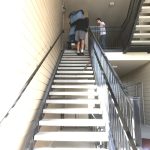
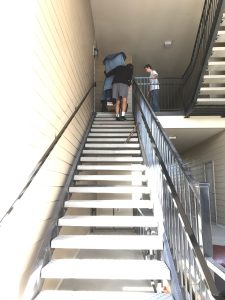
Stairs can significantly affect a safe move because the safe’s weight must remain controlled while moving through changes in elevation. Thresher evaluates stair moves individually based on the safe, staircase, landings, turns, railings, flooring, and surrounding access conditions.
- The number of steps
- Whether the staircase is straight, curved, or narrow
- Landing size
- Turns at the top or bottom
- Railings that reduce clearance
- Exterior steps between the building and loading area
Clear photos of the full staircase are often more useful than close-up photos of individual steps.
6. Check Doorways, Hallways, and Tight Turns
The safe itself may fit through a doorway while the surrounding space makes the turn difficult. Let the movers know about narrow openings, short landings, walls immediately inside doorways, and other tight areas along the route.
If access appears limited, send measurements and photos. Do not remove doors, railings, or structural features solely to create clearance unless the moving team has reviewed the situation and advised you on the next step.
7. Tell the Team About the Flooring
A safe’s concentrated weight can place significant pressure on flooring. The moving plan may differ depending on whether the route involves hardwood, tile, carpet, concrete, stairs, thresholds, or other surfaces.
Tell the movers what flooring is present at the pickup and delivery locations, especially if there are delicate surfaces or unusual transitions. Thresher uses protective materials and equipment selected for the item, property, and access conditions.
8. Plan Parking and Loading Access
The route between the building and the moving vehicle also matters. Let the team know about:
- Limited street parking
- Long carries from the entrance to the vehicle
- Parking garages
- Loading docks or loading zones
- Gates
- Elevators
- Building operating hours
- Construction or temporary access restrictions
Commercial safe moves may require additional coordination with building managers, loading areas, elevators, operating schedules, or security procedures.
9. Confirm the Final Placement Before Moving Day
Do not only think about how the safe will leave the pickup location. The delivery route and final placement are equally important.
Tell the moving team exactly where the safe needs to end up. A safe being placed just inside a ground-floor entrance may require a different plan than one going through narrow halls, onto another floor, or into a restricted commercial area.
Providing the final placement information in advance helps the team evaluate the complete project.
What Photos Should You Send for a Safe Moving Estimate?
Photos can help the moving team understand details that are difficult to explain over the phone. Useful photos may include:
- The front and side of the safe
- The manufacturer label or model information
- The area immediately around the safe
- Doorways and hallways along the route
- Stairs, landings, and railings
- The main entrance
- The path from the entrance to the parking or loading area
- The delivery route and final placement area
When possible, take wider photos that show how obstacles relate to one another rather than only close-up images.
Safe Moving Preparation Checklist
- Confirm the safe manufacturer and model when available
- Provide dimensions and manufacturer-listed weight when available
- Remove firearms, ammunition, cash, jewelry, documents, and other valuable contents
- Ask whether removable shelves or drawers should be taken out
- Tell the movers if the safe is anchored or bolted down
- Clear furniture and clutter from the access route
- Document stairs, narrow doors, hallways, and tight turns
- Describe the flooring at both locations
- Confirm parking or loading access
- Provide photos of the safe and complete moving route
- Confirm the final placement at the destination
- Tell the team about any last-minute access changes
Frequently Asked Questions About Preparing a Safe for Moving
Should I empty my safe before professional movers arrive?
Yes. Remove firearms, ammunition, cash, jewelry, documents, and other valuable or restricted contents before the move and transport them separately. Ask the moving team whether removable shelves, drawers, or interior components should also be taken out.
Do safe movers need the combination or key?
Movers generally do not need access to the safe’s contents. Keep the key or combination available in case a door, drawer, or removable component needs to be secured or adjusted, but do not send sensitive access information through unsecured messages.
What information do safe movers need for an estimate?
Provide the safe’s dimensions, manufacturer-listed or estimated weight when available, pickup and delivery locations, stairs, tight access, flooring, parking conditions, anchoring information, final placement, and clear photos of the safe and route.
Can a large safe be moved on stairs?
Many safe moves involving stairs are possible, but each project must be evaluated individually. Safe weight and dimensions, stair width, landings, turns, railings, flooring, and property conditions all affect the moving plan.
Request a Safe Moving Estimate in Utah
Thresher Piano, Safe & Vault Movers has provided specialty moving services in Utah since 1999. The company handles residential and commercial safe moves throughout Utah County, Salt Lake County, Davis County, Weber County, and surrounding Wasatch Front communities.
If you are planning a safe move, provide the team with the safe’s dimensions, weight information when available, pickup and delivery locations, stairs, access conditions, parking, final placement, and photos. Contact Thresher to request a free estimate or call or text 801-310-3461.